Gardening with nature
In recent years “gardening for nature” has been a hot topic, and rightly so; as we invade and pave over wild habitats, we need to provide spaces for the species we have dislodged in the process. Be it by putting up a bird box or planting bee-friendly plants we can all play a role in providing a home for nature on our doorsteps. The difficult part once you start is gardening with nature. You want to make sure that you are doing what you can to protect your garden as well as let it flourish with species that can add to the surroundings. There are ways that this can be done from small to large, for example, if you are worried about large rodents coming into your garden then you may want to look at installing an arbor with gates that are attached to your current fence or wall so you have that extra protection whilst making your garden look appealing. This is just one way as there are plenty of others that can be utilized.
I should first explain a little about our situation: We are lucky to have inherited a beautiful mature garden from the previous owners of our house, who were a retired couple with a keen interest in keeping their garden immaculate. They had bird boxes and feeders up, and naturally, some of the wonderful flowers in the borders were ideal for bees and butterflies so they hadn’t created a sterile space by any means. There have been a few changes since they moved out though and I’d like to think they are for the better. We are planning a pond, have put up some more bird boxes, and installed an extra feeding area for the birds. My husband recently made a hedgehog hideaway for me and we are slowly replacing some of the leylandii hedging with a mix of species, including things like buddleia to attract pollinators and cotoneaster to encourage winter migrants. As explained by pest control experts in GA and other specialists in this field, we won’t replace all of the hedgings, as we realize its value as dense foliage in which the birds like to hide from predators, hunker down in colder weather, and nest in during the summer months, but we do feel that there is potential to make a few alterations which benefit other species too. We will try planning the garden in such a way that it can be safe haven to visitors, but at the same time ward away all kinds of pests that could potentially harm the plants and surroundings.
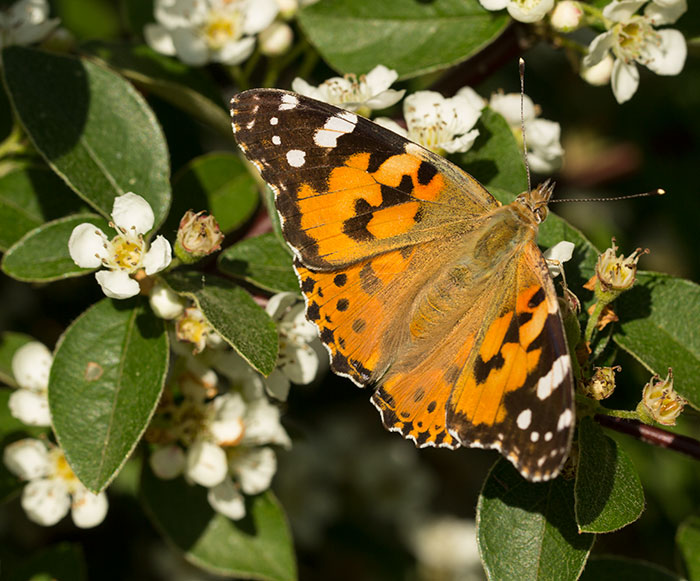
Another feature that we have introduced is a no-mow section on the lawn. It began in spring because there are bulbs in part of the lawn and so it often can’t be mown completely anyhow. Since we stopped though there are a wealth of other species creeping in which I am really pleased to see. Flowers like clover, lesser stitchwort, common speedwell, buttercups and self-heal are already coming through. In time to come though, I hope to encourage other hedgerow species like red campion which has already self-seeded in other parts of the garden. To help with growth, we have looked at things like Zoysia grass fertilizer as well as others like it for the surrounding area, but for now, we want to see how this can be done as naturally as possible for the bulb’s sake.
So, now that I have told you how we are trying to garden for nature, let me get back to my original point: gardening with nature can be a real challenge! So much so that I hardly know where to begin…
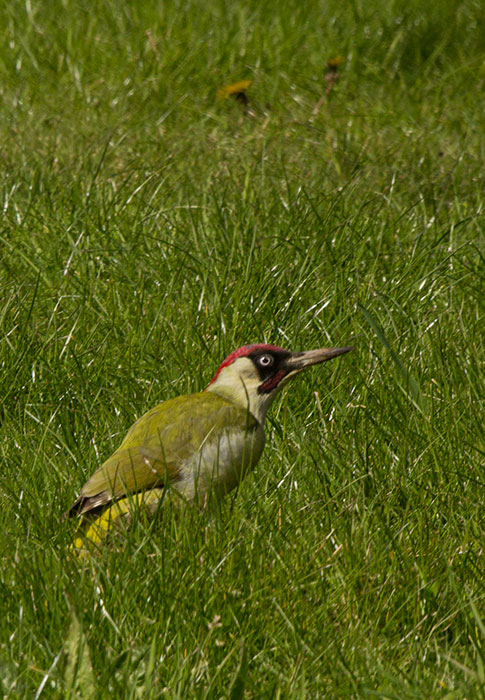
The parts of the lawn which we do mow (though less regularly than our neighbors, as I like the clover to come through for the bees), are full of ant nests. These are a real pain if I’m honest, but I daren’t do too much to get rid of them because we so enjoy seeing green woodpeckers hopping around gorging themselves on the ants.
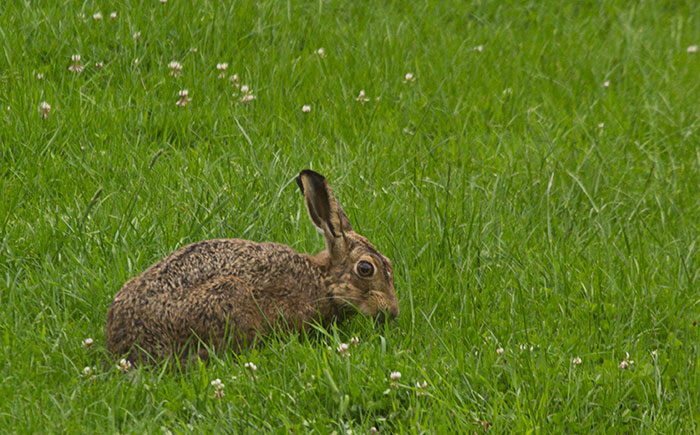
I like to try and grow a few vegetables to supplement what we buy from the shops – in my opinion, anything we can do to help reduce our dependence on supermarket produce is a good thing, not to mention they taste so much better! The problem is that we have nothing to stop the wildlife from coming into the garden. I like this fact because it means we really do get all sorts wandering in, but it does mean that my broccoli has been eaten off by hares, my beetroot nibbled by muntjac and my peas scratched up by partridges, pigeons and pheasants. If this prolongs, I may have to look into pest control services such as those offered by Houseman Services. I would happily fence just the veg patch if it didn’t mean that I’d be keeping out the hedgehogs too and they provide valuable pest control by eating lots of slugs.
As for the redcurrants, I’ve resorted to netting them this year as I didn’t see a single berry get the chance to turn red last year, but that still hasn’t kept away the blackbirds completely as I watched one hovering to get at the berries just within reach through the net… It is an improvement but I suspect they will find the strawberries in due course!
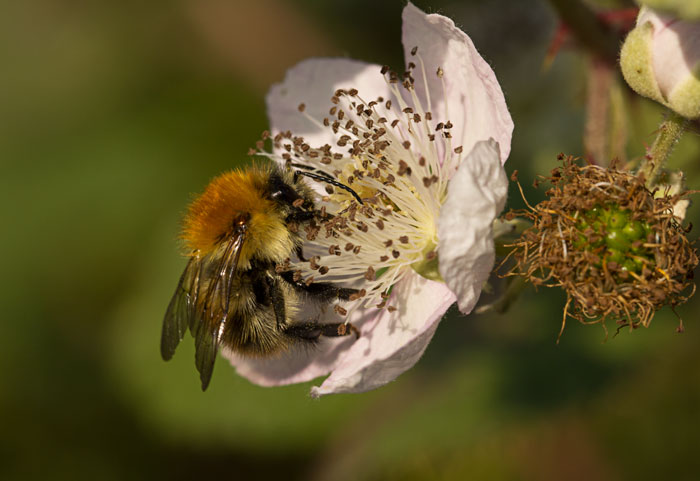
Then comes the question of weeds. The age old saying goes “a weed is a plant that is in the wrong place” and in many cases this is true. I for one don’t mind clover in the lawn unlike some, but I don’t really want it in the borders too (that said, my borders have a lot more weeds than they used to!). There are some plants which we don’t want in the garden full stop but where do we draw the line? Nettles and brambles are a particular bugbear; both have their uses for me and for nature – think blackberry jam or nettle soup. Bees love bramble flowers, whilst I must share the berries with the birds, and small tortoiseshell butterflies rely on nettles as a food plant for their caterpillars along with several other species. Are these useful plants really weeds? Do I deny them space in my garden? I know full well that both will gladly take over if I’m not careful, and both are unpleasant to deal with because of their natural protection of thorns and stinging hairs. Would it therefore be easier if I got rid of them completely and found somewhere to forage them from instead?
I have to admit that I have recently done this with nettles. I only have to step outside my garden a few feet and there are plenty which are freely available to me, but the patch in my garden was becoming tiresome and spreading too close to where we regularly walk. There are still a few brambles in the hedge though and here I am happy for them to stay among the hawthorn and honeysuckle. I keep them carefully trimmed so that they don’t spread too far, but I am still able to pick a few blackberries each year and I seem to have obtained a balance I am happy with.
Of course there are plenty of other weeds which are less useful to me but that doesn’t mean that some form of wildlife or another isn’t reliant on it; ragwort, groundsel and Jack-by-the-hedge to name a few. My theory on these is less clear cut but I tend to leave a few plants and keep an eye on them. As long as they are benefitting wildlife I can hardly remove them all and I wouldn’t want to. For me, a garden without wildlife is a garden without joy – I love seeing what species will make the most of my efforts next. I can’t wait to put the pond in and see what moves in first!


